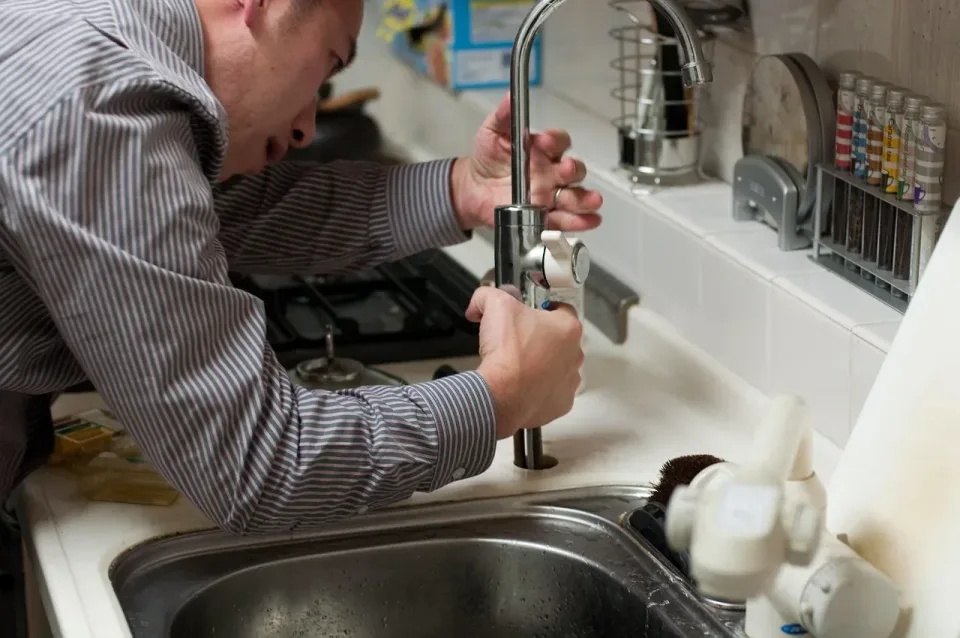
Low Water Pressure Repair · Des Moines, IA
Low Water Pressure Repair Across Iowa Booster Pump and Sudden Pressure Loss
A shower that loses force when another fixture runs can point to a supply problem, not just a showerhead. Iowa Plumbing Pros helps Iowa homeowners understand what their pressure readings mean and choose a practical repair.
- Serving since 2015
- Iowa-licensed plumbing contractor
- Insured and bonded
- Plumbing-Heating-Cooling Contractors Association member
Common problems we solve
Upstairs faucets barely produce water
Pressure drops during laundry cycles
Sudden low pressure throughout the house
Well pump cycles without restoring pressure
Rusty water and weakening flow
11+
Years serving Des Moines, IA
17
Areas served
Low Water Pressure Repair Jobs Across Iowa
A weak upstairs tap or a house-wide pressure drop can come from different failures, so we match the repair to what testing shows. We take on residential pressure problems across Iowa, including municipal supplies and private well systems.
Our Water Pressure Diagnosis compares conditions at fixtures and the supply to narrow down the cause. If an incoming pressure-reducing valve is not controlling supply properly, we assess Pressure Regulator Repair.
For well homes, pump, tank, and switch checks help distinguish a control problem from a pump issue; a booster pump may be appropriate when diagnosis supports added pressure. We also handle sudden pressure loss and clogged-line concerns when inspection points to a leak or restriction.
Iowa’s continental climate means cold winters and warm, humid summers; rural properties may depend on wells and pressure tanks. A private well can need a different repair path from a municipal connection. Tell us which fixtures are affected and when the pressure changes, and we’ll identify the appropriate scope.
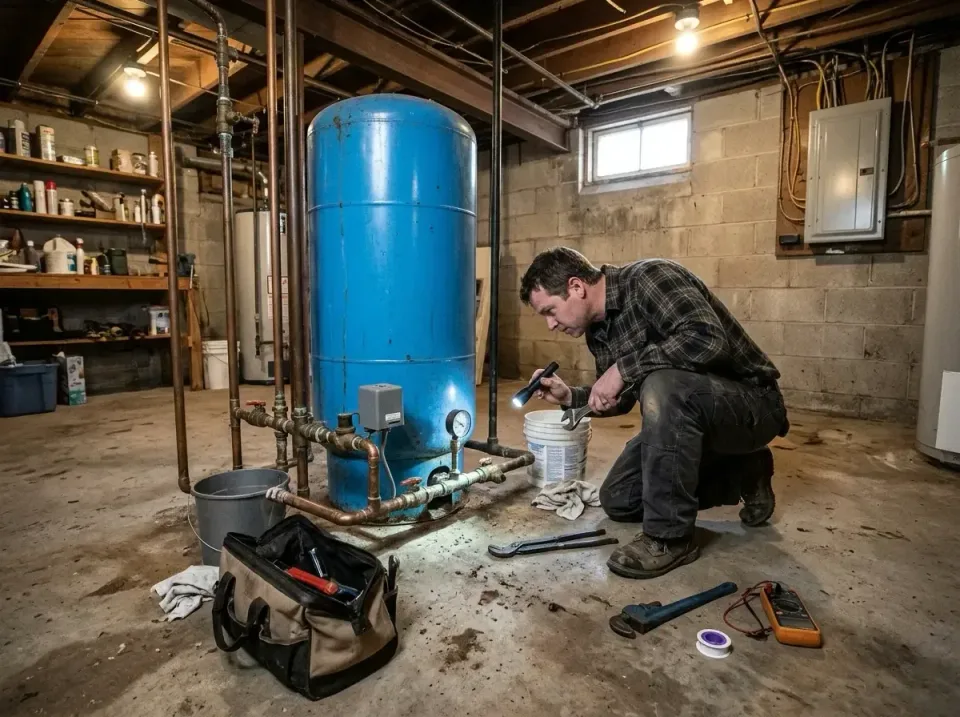
What Does Low Water Pressure Repair Cost in Iowa?
A low-pressure call can end with a small adjustment or a repair that requires access to a buried line. The difference depends on the failed part, testing time, access, and whether electrical diagnosis or piping changes are needed. Our quotes identify the recommended work and its scope.
Pressure diagnosis is typically $75–$250, with testing and access affecting the charge. Regulator replacement commonly runs $250–$700, depending on valve size and labor.
Booster pump repair is often $250–$900, with parts and electrical diagnosis shaping the work; installation is generally $800–$2,500 when capacity or piping changes are required. An accessible water-line leak repair may be $300–$1,500, depending on its location and repair method.
A 0–200 psi gauge gives a broad reading range, but the result still needs interpretation against the plumbing system and symptoms.
Estimates vary; final quotes depend on repair scope, parts, access, and site conditions. Contact Iowa Plumbing Pros at (877) 773-0781 for a quote based on your home.
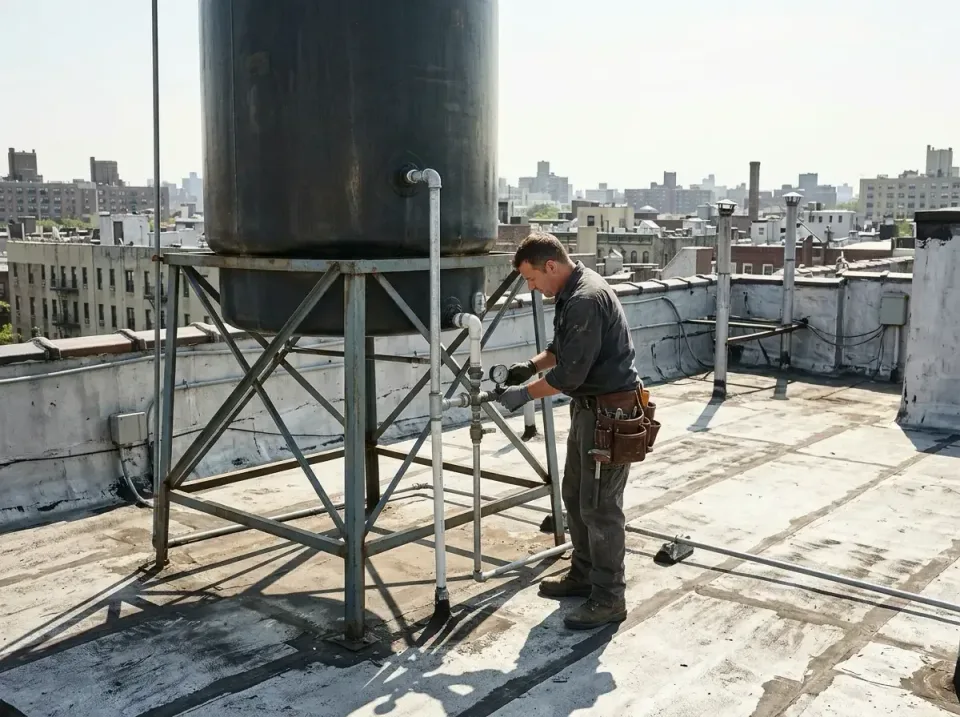
How We Check Iowa Plumbing Permits and Licensing
If a pressure repair involves changing piping or plumbing components, ask who will confirm whether the work requires a permit. Iowa’s plumbing rules are not a substitute for checking the project scope with the local authority.
Iowa Code Chapter 105 addresses plumbing contractor licensing, so homeowners can use it to understand the licensing framework for plumbing work. The Iowa Plumbing Code uses permits through local authorities; in Des Moines, the City of Des Moines Development Services Department can help verify permit requirements for a particular scope. Our crew reviews that question before work proceeds and explains what applies to the proposed repair.
Private well construction has a separate rule: Iowa Administrative Code 641 subrule 25.1 sets requirements for that work. Iowa Code Chapter 455B also covers Iowa well contractor certification.
These distinctions matter when a pressure complaint involves a well rather than only household plumbing. We’ll explain the relevant scope and compliance questions before approved work begins.
Why us
Why Iowa Plumbing Pros
Iowa homeowners get a pressure diagnosis grounded in local plumbing experience and clear communication.
Local Pipe Knowledge
Des Moines experience with older galvanized lines and newer pressure regulators helps the team consider how different home systems affect water flow. Technicians check the cause before recommending a repair.
Clear Repair Scope
Technicians check pressure at fixtures and key points, then explain whether the issue involves a regulator, water line, well equipment, or another cause before recommending work.
Statewide Coordination
Based in Des Moines, the team schedules pressure-repair visits across Iowa and coordinates travel and parts for communities throughout the state. Homeowners can discuss access and timing with the team.
Warning signs
Early Signs to Notice
Slow Toilet Refill
A toilet tank that refills more slowly than usual can signal a change in water delivery. Notice whether the change affects one toilet or several, and check whether other fixtures show a similar pattern.
Corrosion Near the Regulator
Corrosion near the regulator is a visible sign worth checking, especially if nearby fittings look damp or deteriorated. Avoid adjusting the equipment yourself; a plumbing assessment can determine whether it is related to pressure.
Water Hammer Sounds
Water hammer sounds are sharp knocks in pipes when a fixture or appliance shuts off. Repeated noise can point to a plumbing concern beyond pressure alone, so note where it occurs and share that detail during an assessment.
Through the year
Pressure Repair Through the Year
Spring
Spring storms can bring heavy rain and localized flooding, while rainfall varies across Iowa. If a private well’s flow changes after wet weather, a pressure check can help distinguish supply concerns from equipment or line issues.
Summer
Warm, humid weather and hot spells can raise household water demand, while thunderstorms may briefly interrupt power. A pressure assessment can help clarify whether changing flow relates to the plumbing system, well equipment, or supply.
Fall
Autumn temperature swings come before hard freezes, and exposed lines and fittings can face added stress. Arrange a pressure assessment if flow has changed, so the cause is understood before cold weather puts more strain on vulnerable plumbing.
Winter
Prolonged subfreezing weather raises frozen-pipe risk, especially in unheated basements and crawlspaces. If water flow changes, a technician can assess the system and identify whether a line or other equipment needs attention.
Before you hire
Questions to Ask Before Hiring
Q1
What access should I prepare for the technician?
Access to fixtures, the main shutoff, and relevant equipment can help the visit proceed smoothly. Ask which areas need to be clear and whether someone should be present.
Q2
Will the work and any added terms be written down?
Written terms help clarify the agreed work, any exclusions, and how additional recommendations are handled. Review the document before approving it and ask about anything that is unclear.
Ready to get started?
Call to talk through your job in Des Moines, IA.
Featured Work & Projects
Browse our recent jobs and quality workmanship for customers across Des Moines, IA.
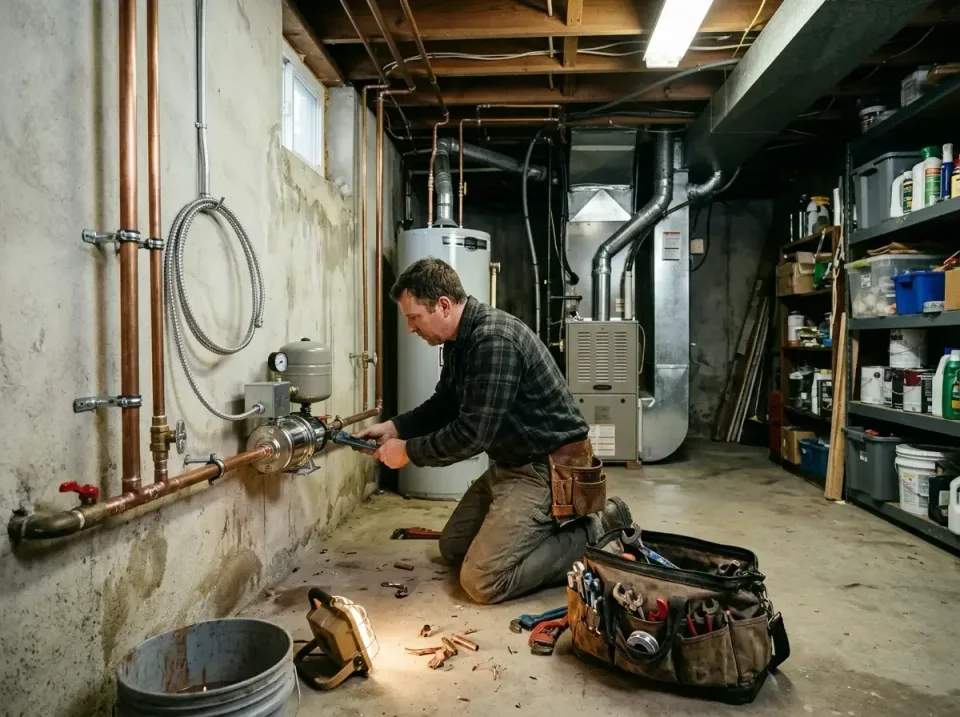
Plumber — Residential Basement
Des Moines, IA
Water Pressure Tank — Basement
Des Moines, IA
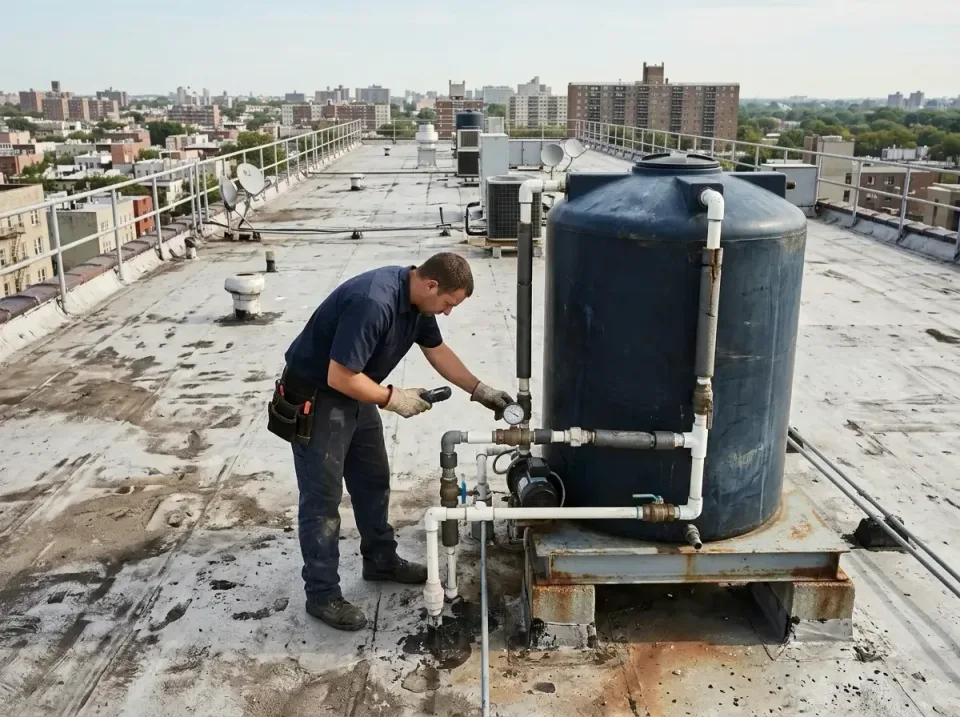
Plumber — Commercial Plumbing
Des Moines, IA
FAQ
Low Water Pressure Repair FAQs in Des Moines, IA
Straight answers for customers in Des Moines, IA on pricing, delivery, and scheduling.
Can a clogged line cause low water pressure in one room?
Yes, a clogged water line can restrict supply to a particular fixture or area while other taps remain usable. Compare the affected fixture with a nearby one and tell the plumber which outlets change.
Could a booster pump fix low pressure in my Iowa home?
A booster pump raises household water pressure, but it is appropriate only when testing identifies a supply condition it can address. Comparing static and flowing pressure readings helps distinguish a pressure shortfall from a restriction or leak.
What should I tell a low water pressure plumber in Iowa before booking?
Note whether the change affects one fixture or the whole house, when it began, and whether it occurs during water use. If you have safe access to a pressure gauge, share the reading and whether fixtures were running.
Who handles permits for low water pressure plumbing repairs in Iowa?
The permit needs depend on the work scope and local authority; the Iowa Plumbing Code provides for permits through local authorities. In Des Moines, verify the proposed scope with the City of Des Moines Development Services Department before work begins.
Does Iowa have separate rules for private well pressure work?
Yes, Iowa Administrative Code 641 subrule 25.1 addresses private well construction, while Iowa Code Chapter 455B covers well contractor certification. Tell the plumber that the home uses a well so the right requirements and equipment can be considered.
Local Leadership
Meet Your Local Experts
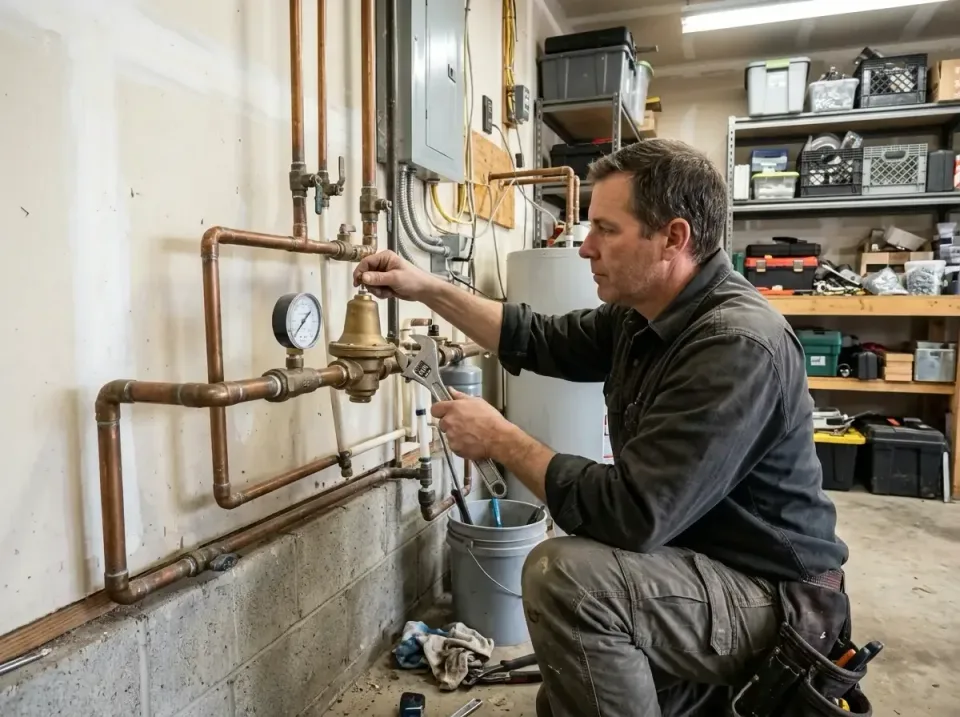
Daniel Mercer Lead Expert
Iowa Plumbing Pros
"Find the cause. Restore water pressure."
I started my plumbing career in the Des Moines area, where older homes with galvanized lines and newer homes with pressure regulators taught me that low pressure needs a proper diagnosis. Iowa winters also showed me how quickly a frozen or damaged water line can disrupt a household, and I built this company to give homeowners clear answers and practical repairs.
11+ years experience Iowa-licensed plumbing contractor Insured and bonded Plumbing-Heating-Cooling Contractors Association member
Get a Quote
Get a Low Water Pressure Repair Quote in Des Moines, IA
Share job details below or call our team directly. Phone: (877) 773-0781
Cities & Towns
Service Areas in Des Moines
Select a city to find local low water pressure repair providers we cover in Des Moines.